Viburnum Opulus: The Easiest Shrub To Grow
Title: Viburnum Opulus: The Easiest Shrub to Grow
Introduction:
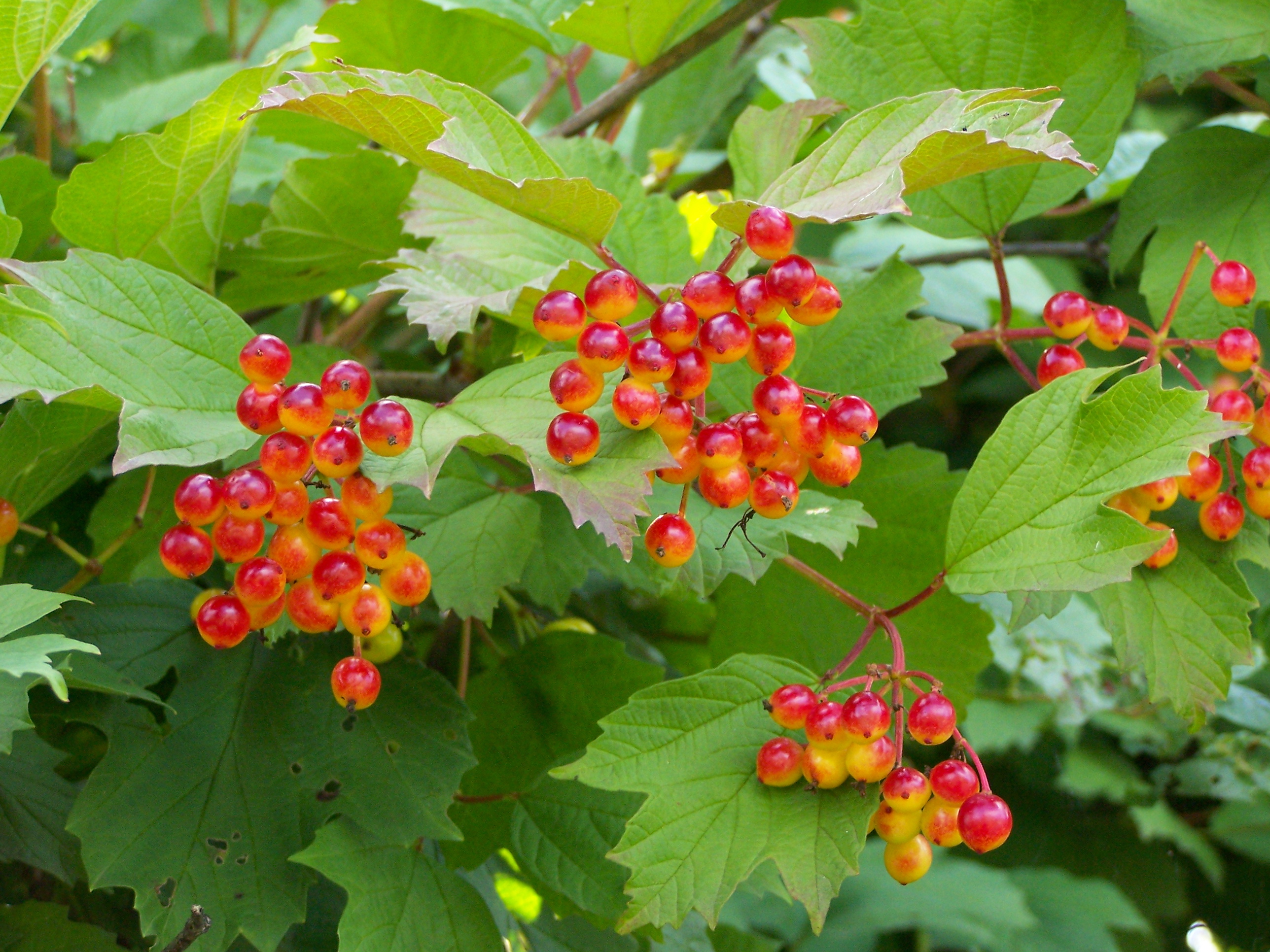
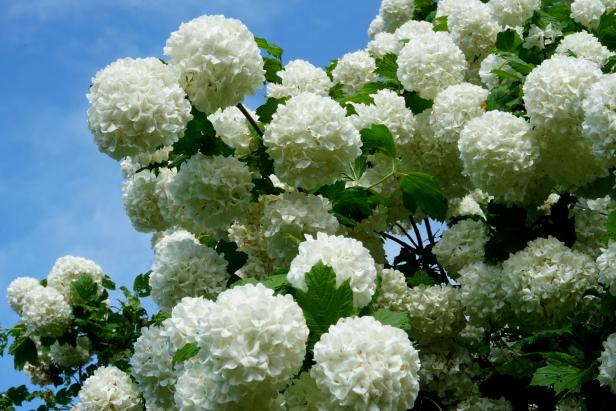
Viburnum opulus, also known as guelder rose, is a hardy and easy-to-grow shrub that is native to Europe, Asia, and North Africa. It is known for its beautiful white flowers in the spring, followed by bright red berries in the fall. Viburnum opulus is a versatile shrub that can be grown in a variety of settings, including gardens, parks, and woodlands. It is also a popular choice for hedges and screens.
Main Content:
Here are some of the reasons why viburnum opulus is considered to be one of the easiest shrubs to grow:
- Hardy: Viburnum opulus is a hardy shrub that can tolerate a wide range of climates, from cold winters to hot summers. It is also tolerant of a variety of soil types, including clay, loam, and sand.
- Low-maintenance: Viburnum opulus is a low-maintenance shrub that does not require a lot of care. It only needs to be watered regularly during the first year after planting. Once established, it is drought-tolerant and can withstand periods of neglect.
- Attracts wildlife: Viburnum opulus is a popular shrub for attracting wildlife. The flowers are a source of nectar for bees and butterflies, and the berries are a food source for birds.
- Decorative: Viburnum opulus is a decorative shrub that can add beauty to any garden. The white flowers in the spring are followed by bright red berries in the fall. The leaves turn a beautiful shade of red in the fall, providing additional color to the garden.
Conclusion:
Viburnum opulus is a versatile and easy-to-grow shrub that is perfect for any garden. It is hardy, low-maintenance, and attracts wildlife. The beautiful white flowers in the spring and bright red berries in the fall make it a decorative addition to any landscape.
FAQ of viburnum opulus
- What is Viburnum opulus?
Viburnum opulus is a deciduous shrub that is native to Europe and Asia. It is known for its white or pink flowers that bloom in spring, and its red or orange berries that ripen in summer. Viburnum opulus is a hardy plant that can tolerate a wide range of soil conditions and climates. It is also relatively pest- and disease-resistant.
- How to grow Viburnum opulus?
Viburnum opulus is easy to grow from nursery plants or seeds. When planting, choose a site in full sun or partial shade with well-drained soil. Water the plant regularly, especially during the first year after planting. Fertilize the plant in spring with a balanced fertilizer. Viburnum opulus does not require regular pruning, but you may want to remove dead or damaged branches in the spring.
- How to care for Viburnum opulus?
Viburnum opulus is a low-maintenance plant that requires little care. Water the plant regularly, especially during dry periods. Fertilize the plant in spring with a balanced fertilizer. Prune the plant in the spring to remove dead or damaged branches.
- What are the common problems of Viburnum opulus?
The most common problems of Viburnum opulus are aphids, spider mites, and powdery mildew. Aphids are small, soft-bodied insects that can suck the sap from the leaves of Viburnum opulus. Spider mites are tiny, red or yellow insects that can also suck the sap from the leaves. Powdery mildew is a fungal disease that causes white, powdery patches to form on the leaves of Viburnum opulus.
To control aphids, spider mites, or powdery mildew, you can use insecticidal soap, neem oil, or horticultural oil. You can also remove affected leaves and destroy them.
- How to propagate Viburnum opulus?
Viburnum opulus can be propagated from softwood cuttings in the spring or summer. To take a softwood cutting, make a clean cut with a sharp knife or shears from a healthy, new growth. The cutting should be about 4 inches long and have at least two sets of leaves. Remove the bottom leaves and dip the cut end of the cutting in rooting hormone. Plant the cutting in a pot of moist potting mix and place it in a warm, shady spot. Keep the potting mix moist and the cutting should root in about 4-6 weeks.
Image of viburnum opulus
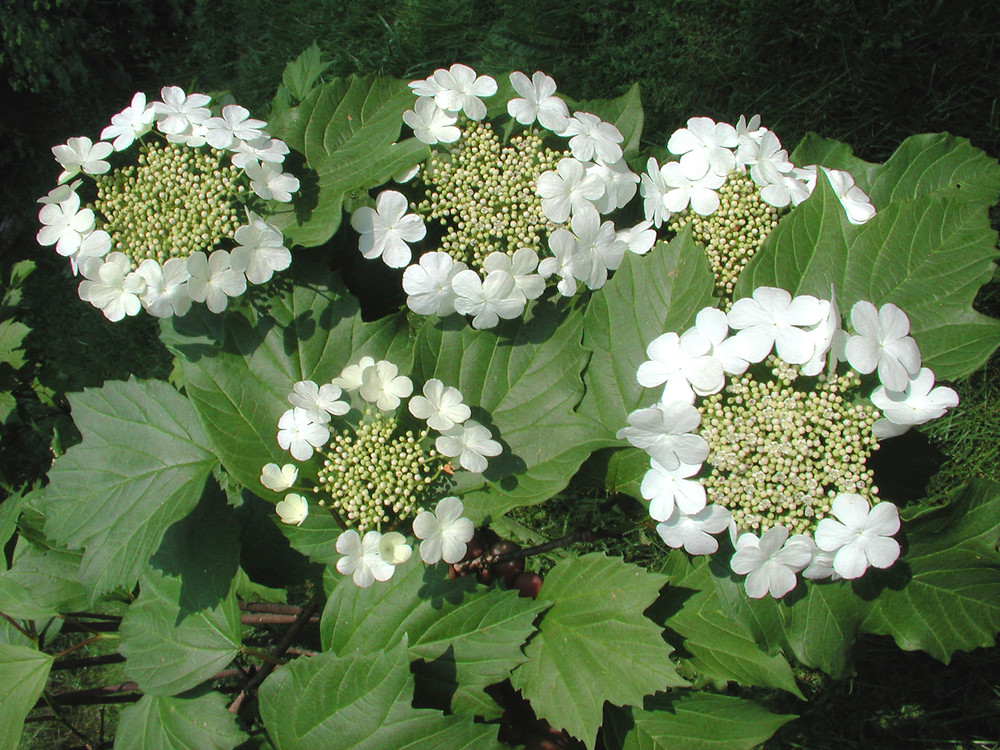
- Viburnum opulus in full bloom. The white flowers are arranged in clusters and can be quite large, up to 10 inches in diameter.

- Close-up of viburnum opulus flowers. The flowers are small and delicate, with five petals each.

- Viburnum opulus foliage. The leaves are oval-shaped and have a serrated edge. They are typically green, but can turn red or orange in the fall.

- Viburnum opulus berries. The berries are small and round, and can be red, orange, or yellow. They are edible, but have a tart taste.
- Viburnum opulus in a winter landscape. The plant can be deciduous or evergreen, depending on the variety. In the winter, the leaves will fall off, revealing the bare branches.

- Viburnum opulus growing in a garden. The plant is relatively easy to care for and can be grown in a variety of climates. It is often used as a hedge or border plant.
- Viburnum opulus in a vase. The flowers can be cut and used in arrangements. They will last for several days in water.

- Viburnum opulus in a forest. The plant is native to Europe and Asia, and can be found growing wild in forests and woodlands.
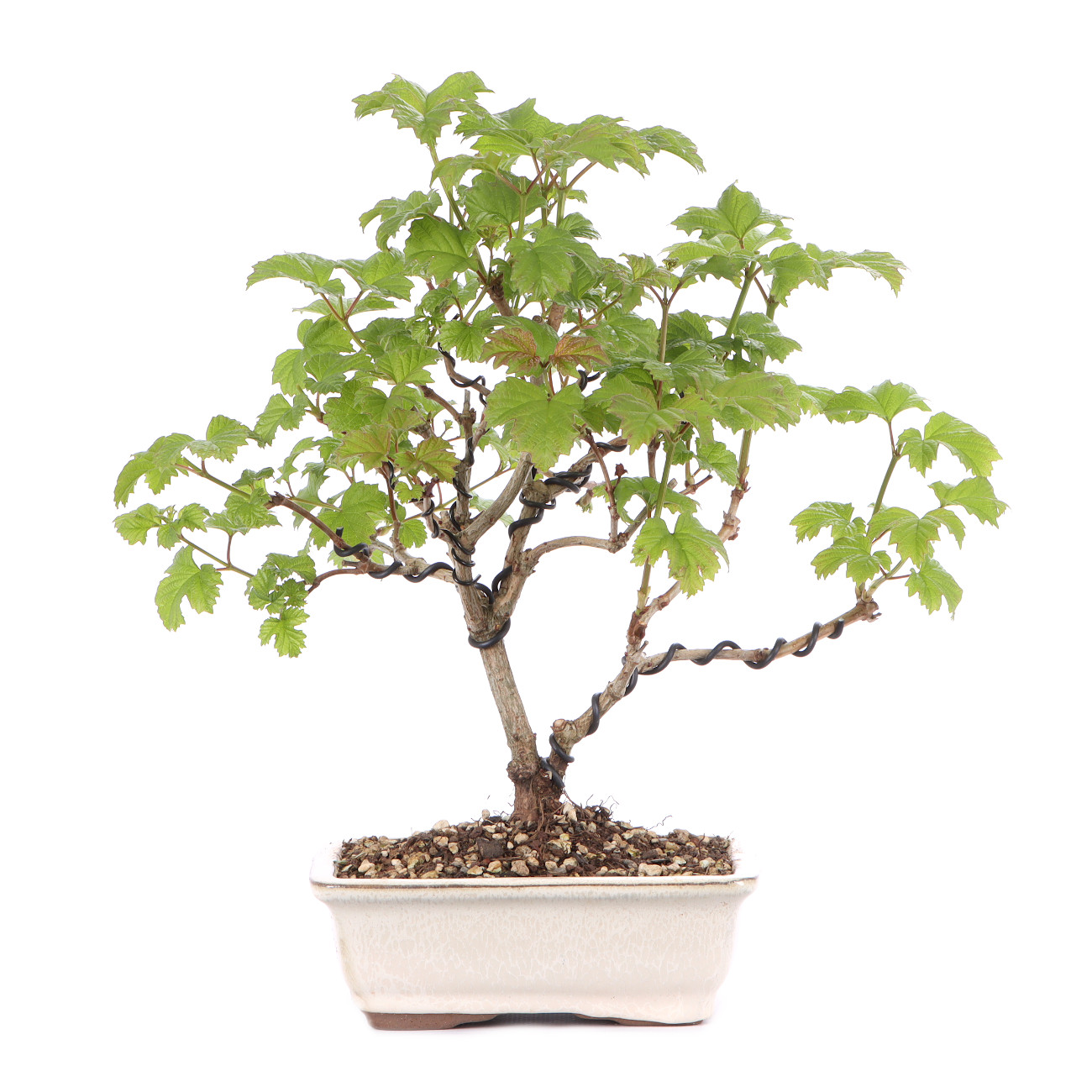
- Viburnum opulus as a bonsai. The plant can be trained to grow as a bonsai tree. This requires careful pruning and shaping.
- Viburnum opulus as a medicinal plant. The plant has been used for centuries in traditional medicine. The berries and leaves can be used to treat a variety of ailments, including coughs, colds, and diarrhea.


Post a Comment for "Viburnum Opulus: The Easiest Shrub To Grow"